A life shaped by movement, study, and purpose
I think Zvi Yehuda Hershlag’s life is one of those unique maps with deep contours. Born in 1914 in Poland, he grew up in a troubled Jewish society and became an Israeli economist and economic historian specializing in Turkey and the Middle East. His narrative goes beyond books and seminars. Migration, conviction, family, and history are also involved.
He left university in Lwów young and joined Hashomer Hatzair, revealing his inner compass. His public life was not accidental. He stepped in. His 1938 move to Mandatory Palestine to Kibbutz Tel Amal introduced him to labor, collective life, and national rebirth. He continued to develop during that time. A forge. Experience altered his identity like iron meeting fire.
He resumed academic study in Jerusalem in 1945. After earning his master’s in 1949, he taught and researched under Alfred Bonne. He received his PhD in 1952 for his research on Turkey’s interwar economy. His career was guided by the topic. He kept returning to Turkey, economic transformation, and the tough question of state growth, adaptation, and survival.
A career built on economic history
Hershlag’s academic work was broad in impact but focused in subject matter. He was not a generalist wandering from topic to topic. He was a specialist with a clear field of vision. Turkey, the Middle East, development, planning, and cooperation were the themes that recur again and again in his work.
He studied in London in 1953 and 1954, then returned to Israel and became a lecturer in 1955. In 1956, he received a UNESCO prize for his research on Turkey. That is the kind of recognition that signals serious scholarly weight. He was not simply publishing. He was contributing to a live conversation about modernization, state policy, and regional change.
His books show the range of his intellectual life. I see titles such as Turkey: an Economy in Transition, Introduction to the Modern Economic History of the Middle East, Turkey: The Challenge of Growth, Economic Planning in Turkey, and works tied to Israel Africa cooperation. These are not decorative titles. They are working tools. They reflect someone trying to understand how economies move, where pressure builds, and how public policy can either steady or distort a society.
The University of Hebrew materials linked to his career indicate a long academic path and a serious scholarly presence. The National Library catalog also shows a body of work that includes books, articles, and related items under his name. To me, that suggests not a small academic footprint, but a steady, brick by brick contribution to the study of development economics and regional history.
The family behind the scholar
When I look at Zvi Yehuda Hershlag’s family, the picture becomes more intimate and more human. The scholar did not exist in isolation. He stood inside a family chain that extended across generations.
His father was Eliezer, also called Leiser Hershlag. His mother was Leah Penzak, sometimes listed simply as Leah Hershlag. He had brothers named Aharon Hershlag and Israel Hershlag. These names matter because they root him in a family line that predates his public achievements. He did not emerge from nowhere. He came from a household, a kinship web, and a Jewish lineage that survived upheaval and displacement.
His wife was Mania Portman, later known as Mania Hershlag. She is an important part of the story because her name connects the Hershlag line to the Portman family. She was born in Bucharest in 1915 and died in Jerusalem in 2000. In many family narratives, wives are reduced to a footnote. I do not see Mania that way. She was part of the scaffolding of a family that carried memory forward.
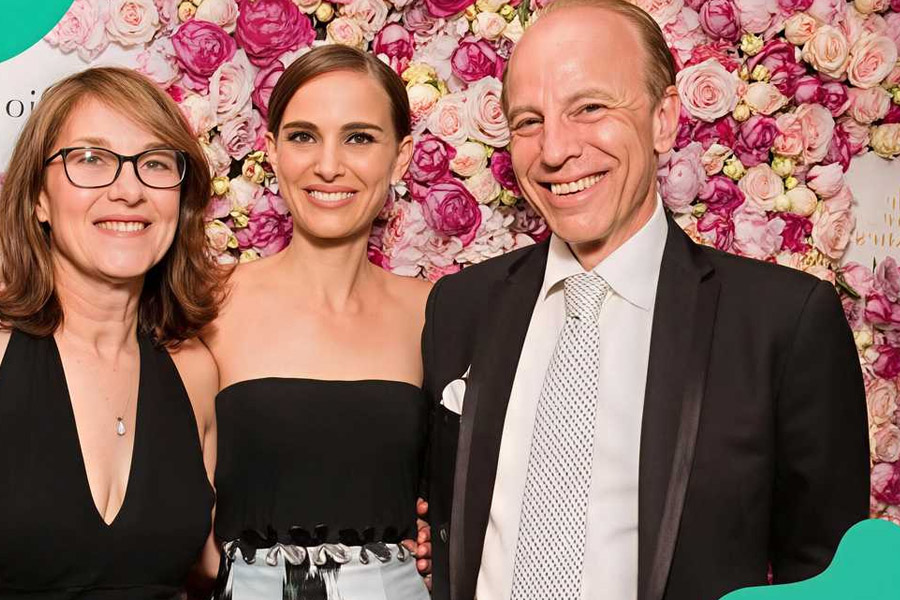
Their son was Avner Hershlag, born in Jerusalem in 1951. He became a physician, specifically a fertility specialist and gynecologist. That detail matters because it shows how the family line did not stop with economics and academia. It branched into medicine and public life. Avner later became known as the father of Natalie Portman.
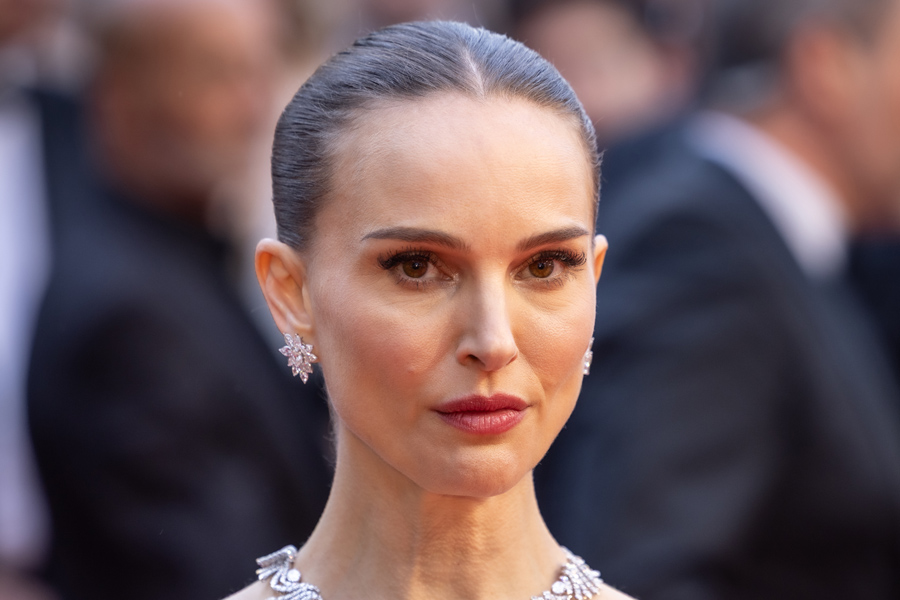
Natalie Portman, born Natalie Hershlag in 1981 in Jerusalem, is one of the most recognizable names connected to Zvi Yehuda Hershlag. She is his granddaughter, and through her children, Aleph and Amalia, the Hershlag line continues into the next generation. That creates a striking arc. A scholar born in Poland in 1914 becomes part of a family story that reaches global culture, film, medicine, and modern Jewish identity.
A life timeline with clear turning points
Viewing Hershlag’s life as a series of crossings helps.
He was born in Poland 1914. After studying in Lwów, Hashomer Hatzair led him to Zionism. He entered Mandatory Palestine in 1938. Kibbutz Tel Amal was his home from 1938 to 1945. He resumed academic study in Jerusalem in 1945. He earned a master’s in 1949. He received his doctorate in 1952 on Turkey’s interwar economic development.
In 1953 and 1954, he studied in London. His lectureship began in 1955. UNESCO honored him in 1956. One of his important studies on Turkey’s economy in transition was released in 1958. He rewrote and expanded his Middle East economic history between 1964 and 1965. He wrote more about Turkey’s growth and economic planning in 1968. In the early 1970s, he helped Israel-Africa cooperation. His scholarship influenced academic writing in the late 1970s and 1980s.
Some records give his death date as 1999, others 2000. Even that minor doubt fits a life spent in archives, memory, and the big, unfinished effort of historical interpretation.
Why his story still matters
I think Hershlag matters because he represents a kind of scholar that modern life can easily overlook. He was not chasing celebrity. He was not building a brand. He was asking how economies develop, how nations plan, and how the Middle East fits into broader patterns of change. His work sat at the intersection of history, policy, and geography, where one wrong assumption can distort an entire century.
His personal story also carries a quieter power. Immigration, rebuilding, marriage, children, grandchildren, and great grandchildren form a human chain behind the academic record. That chain gives his life warmth. It gives the archive a pulse.
FAQ
Who was Zvi Yehuda Hershlag?
Zvi Yehuda Hershlag was a Polish born Israeli economist and economic historian known especially for his studies of Turkey and the Middle East. He built a substantial academic career in Jerusalem and later became widely recognized for books on economic history, growth, and planning.
What was Zvi Yehuda Hershlag known for academically?
He was known for research on the economic history of the Middle East, with a strong emphasis on Turkey. His work examined transition, development, state planning, and the conditions that shape growth. He also contributed to work connected to Israel Africa cooperation.
Who were his closest family members?
His father was Eliezer, also called Leiser Hershlag. His mother was Leah Penzak. His brothers were Aharon Hershlag and Israel Hershlag. His wife was Mania Portman, later Mania Hershlag. His son was Avner Hershlag.
How is Natalie Portman connected to him?
Natalie Portman is his granddaughter through his son Avner Hershlag. She was born Natalie Hershlag in Jerusalem and later became known worldwide as an actor and filmmaker.
Did Zvi Yehuda Hershlag have descendants beyond his children and grandchildren?
Yes. Through Natalie Portman, the family line extends to her children Aleph and Amalia, making them his great-grandchildren.
Why do records about his birth and death sometimes differ?
Family records, library entries, and later genealogy pages do not always match exactly. In cases like this, I treat the broad outline as dependable and the precise dates as somewhat inconsistent, especially for older records that moved across countries and languages.