A name shaped by history
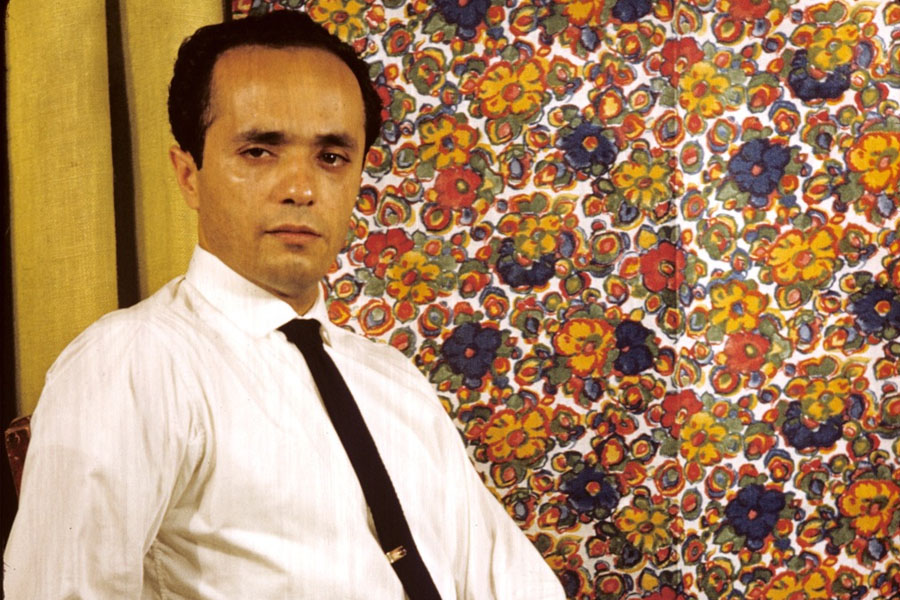
Walter Carl Darrow White represents a man at the border of a greater story, yet distinct enough to earn a portrait. He was born in New York City on June 8, 1927, into a household that combined public struggle, intellectual aspiration, and familial pride. His name mattered. It went beyond a label. The ribbon connected generations of ideas, friendships, and expectations.
Walter Carl Darrow White was related to his father, Walter Francis White, a prominent 20th-century civil rights pioneer. It also had the middle names Darrow and Carl, a reference to Walter Francis White’s friends. Names can be maps before children grow up. The map indicated law, letters, reform, and memory.
In certain family and archival references, Walter Carl Darrow White is simply called Carl. In addition, he was called Pidge. That little name feels intimate, almost feather light, given the White family’s public renown.
The White household
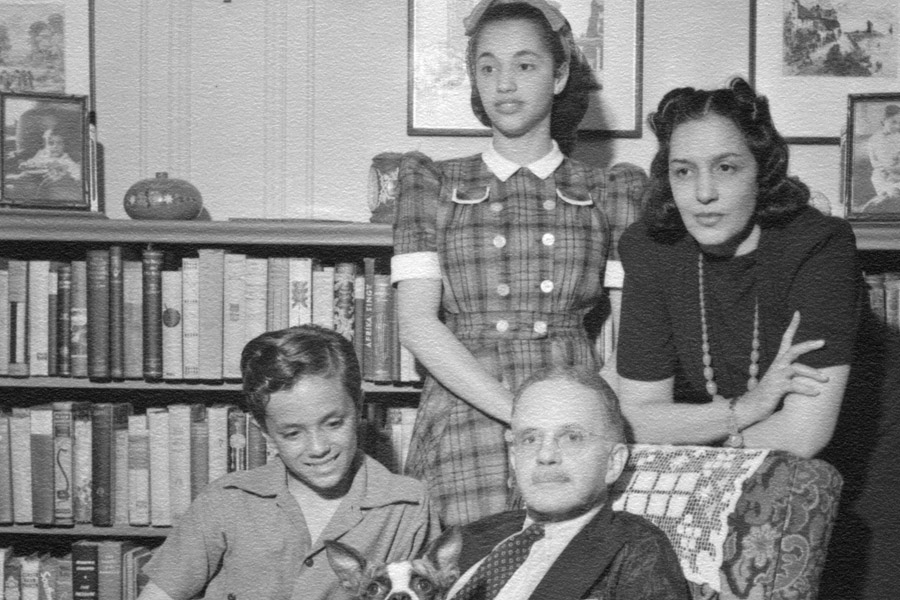
I cannot write about Walter Carl Darrow White without entering the home that formed him. His father, Walter Francis White, was a towering public figure, a writer, investigator, and long time leader in the fight against racial injustice. His life was lived under bright lights and harsh scrutiny. His mother, Leah Gladys Powell White, brought her own strength to the family. She had worked as a secretary and stenographer for the NAACP, and earlier in life had been a singer. She was not merely the wife of a famous man. She was part of the structure that held the family together.
Walter Carl Darrow White had one known sibling, his sister Jane White. She became an actress and singer, which gives the family an almost theatrical symmetry. One child moved toward performance, while the other appears to have led a more private and less documented life. Together, they reflect two possible responses to a household shaped by public purpose. One steps into the spotlight. The other slips into the wings and watches.
His paternal grandparents were George W. White and Madeline Harrison. Their names matter because they place Walter Carl Darrow White inside a longer bloodline, one that reached behind the fame of Walter Francis White and into older family roots. I also note that while the maternal line is present in the family story, the most clearly documented names in the available material are his parents, sister, and paternal grandparents.
Education and early adulthood
Walter Carl Darrow White appears in the record as a Swarthmore student. In 1948, he was described as a junior there, and another reference places him in the class of 1950. That detail matters because it tells me he was not only the son of a famous man, but also a young Black student navigating an elite academic space in the late 1940s. That was no small thing.
I imagine him at Swarthmore carrying more than books. He would have carried identity, expectation, and the steady echo of family history. He came of age during a period when educational opportunity for Black students was still narrow and often hard won. A college classroom could feel like a brass bell ringing in a stone hall. Every step was audible.
His name appears in connection with the Black student history of the institution, which adds another layer to his life. He was part of a broader story of integration, representation, and change. Even when a person does not become widely famous, their presence can mark a turning point in an institution’s memory.
Career, work, and life in Germany
Walter Carl Darrow White’s later life is less documented than his youth, but several details stand out. He is described as an actor and writer, and he appears to have spent much of his adult life in Germany. One account says he worked in West German television. That suggests a life that moved well beyond the orbit of his father’s public activism in the United States.
That move interests me. It sounds like a man stepping into another world, where language, culture, and professional life had different shapes. If Walter Francis White was a public flame, Walter Carl Darrow White seems more like a lamp carried into a distant room. The light was quieter, but still real.
There is no solid public record here of wealth, large finance, or a loud professional empire. His life seems less about accumulation than movement. He left a small trail of work, names, and archival echoes. That can happen with people who live outside the center of the frame. Their lives are no less full for being less documented.
The family legacy around him
Family history binds Walter Carl Darrow White. His father Walter Francis White left a legacy of journalism, organizing, and advocacy. Gladys Powell White, his mother, supported the family through employment. His sister Jane White was artistic. His grandparents, George W. White and Madeline Harrison, are underneath the family names.
I think of this family as a house with many windows. Some watch public struggle. Some facial art. Some reveal scholarship, college, and archives. Walter Carl Darrow White occupied a window. Maybe not the smartest, but essential.
I think his story has the tension many offspring of public persons know. How to inherit a famous name without being trapped? How can you live your own life with a public family history? By moving, creating, and living without continual attention, Walter Carl Darrow White seems to have answered that.
Family members at a glance
| Family member | Relationship to Walter Carl Darrow White | Notes |
|---|---|---|
| Walter Francis White | Father | Civil rights leader, writer, and NAACP figure |
| Leah Gladys Powell White | Mother | NAACP secretary and former singer |
| Jane White | Sister | Actress and singer |
| George W. White | Paternal grandfather | Part of the White family line |
| Madeline Harrison | Paternal grandmother | Part of the White family line |
A life in fragments
Walter Carl Darrow White left behind a life that appears in fragments rather than a long public biography. He was born in 1927, studied at Swarthmore in the late 1940s, later lived in Germany, and is associated with acting and writing. He died on June 1, 1975, and reports suggest his death involved a mountain climbing accident.
That final detail gives his story a sudden edge. The shape of the ending matters. It makes his life feel like a path that climbed higher than most records can follow. For many people, history preserves only the outline. For Walter Carl Darrow White, that outline is still enough to suggest motion, discipline, and a certain independence.
I think of him as a bridge figure. He linked a famous African American activist family to postwar international life. He linked a historically important household to a quieter, more private adulthood. He linked New York birth, Pennsylvania schooling, and German residence into a single arc that is easy to overlook and hard to ignore once seen.
FAQ
Who was Walter Carl Darrow White?
Walter Carl Darrow White was the son of Walter Francis White and Leah Gladys Powell White. He was born in 1927 in New York City and is described in the record as a writer, actor, and Swarthmore student.
Who were his immediate family members?
His immediate family included his father Walter Francis White, his mother Leah Gladys Powell White, and his sister Jane White.
Who were his grandparents?
His paternal grandparents were George W. White and Madeline Harrison.
What do we know about his career?
The available material describes him as an actor and writer who lived in Germany for much of his life and worked in West German television.
Did he have children or a spouse?
The available public material does not clearly confirm a spouse or children.
What is most distinctive about his life?
What stands out most to me is the contrast between his famous family background and his quieter, more international adult life. He seems to have lived just beyond the loudest spotlight, leaving behind a slender but meaningful trace.