Introduction
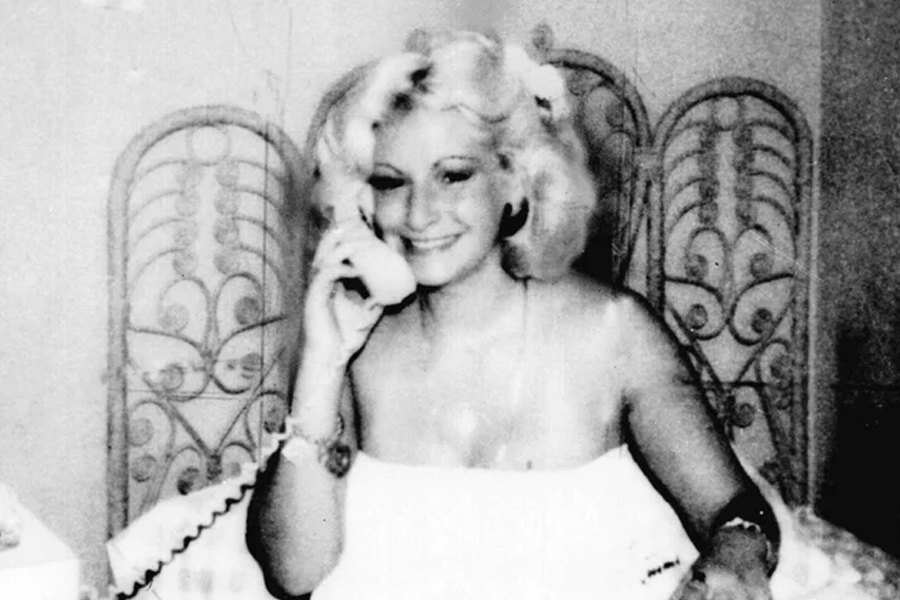
I have been thinking about small domestic lives and how they shape larger stories. In the case of Pearl Berkowitz the domestic life was both ordinary and pivotal. She lived at the axis of routine and loss, and her presence was a steady pressure on the character of the household she kept. I write this not to excavate private records but to trace how one person in a modest Bronx family became a hinge in a narrative that later drew public attention.
Family and personal relationships
Nathan Berkowitz
Nathan was the practical center of the family. He kept a hardware store, he managed bills, and he supplied the steady, taciturn counterpoint to Pearl. I picture him moving through aisles of tools and nails the way some people move through rooms of a house, familiar to the touch. After Pearl died he remarried, and that second marriage, according to recollection in family narratives, altered the emotional atmosphere in the home. I sense that Nathan was quieter than his grief, an anchor that sometimes let go.
David Berkowitz (born Richard David Falco)
Their adopted son grew up in the small apartment under their roof. He was the child who received the rituals of a working class Jewish family, the Sunday dinners, the bar mitzvah, the small ceremonies that mark the passage of time. I return often to the image of a mother who arranged his life around neatness and care, and then of that mother gone. His birth name was Richard David Falco. He became the focal point for most public attention later in life, but in the domestic years he was, for all intents and purposes, their only child, the child in whom the household invested its affections.
Career, finances, and household work
Pearl’s award biography and business ledger are missing. Her public presence is domestic. She ran the house, reared their child, organized the apartment, and handled family expenses. That was labor in every way, but calling it a profession feels petty. Given the era and area economy, the family lived modestly with annual incomes in the low thousands. No official office, financial scandal, or accolades are listed for her. Her accomplishments were clean rooms, consistent meals, and emotional support.
Household dynamics and impact
I imagine a house where schedules formed the architecture. When a mother dies young, the sound of the place changes. Pearl died when her son was a teenager. The date that marks the rupture is October 5, 1967. He was 14 years old. After that day the family’s chronology altered. Nathan’s remarriage, the presence of a stepmother, the shifting roles of care and discipline all follow, like ripples out from a stone thrown into a pond. Those ripples affected behavior, choices, and ultimately life paths.
Timeline of key family events
| Date | Age or number | Event |
|---|---|---|
| 1953 | 0 | Richard David Falco is born and soon adopted by Nathan and Pearl Berkowitz. |
| 1950s to 1960s | 1 | Family lives in the Bronx; Nathan runs a hardware store; Pearl manages the home. |
| October 5, 1967 | 14 | Pearl dies of illness, altering the household dynamic. |
| 1971 | 18 | Son leaves home and later joins the military. |
| 1970s onward | Various | Family life continues with remarriage of Nathan and other household changes. |
Numbers compress into points of light. The table is skeletal, but the dates register where the axis turns.
Recent mentions and public memory
In my experience, Pearl is most generally remembered for her kid. Documentaries, interviews, and retrospectives place her in the center of early household life. Her life is described as a ghost in the attic when explaining a later life or a change in behavior. The mother who died early and the homemaker who left a gap appear in memories. Many observers used the gap to describe a complicated collection of social and psychological issues.
A portrait in domestic detail
If I try to sketch Pearl, I choose small gestures. The way a mother irons a shirt. The way she sets a plate on the table. The way she arranges the child’s shoes. Those are the currencies of a life that is not accounted for in ledgers but that nonetheless matters. She preserved the domestic rituals that stitch ordinary days together. She was not famous by public standards. She was famous only in the private economy of her family, until public attention shifted the frame.
FAQ
Who was Pearl Berkowitz?
She was the adoptive mother who raised one child in a modest Bronx household. She managed the home, supported her husband, and shaped the early environment of their son.
When did she die?
She died on October 5, 1967. Her death occurred when her son was 14 years old.
Who were the immediate family members?
Her husband was Nathan, who worked in hardware and kept the family’s financial life running. Their adopted son was born Richard David Falco and later known publicly by another name. After Pearl’s death Nathan remarried.
What was her occupation?
She was a homemaker. She performed domestic labor that held the household together. That labor is not trivial, even if it rarely appears in public biographies as a formal occupation.
Are there public records about her finances or property?
There are no public financial ledgers or private account details that are part of the common narrative. The household was working class, and the financial story is indirect, conveyed through the economic context of the era and the job Nathan held.
How is she remembered today?
I find that she is remembered mainly through family recollection and as a contextual figure in broader biographies. The emphasis is on her role as a mother and on the rupture created by her early death.
Did she have siblings or parents who are public figures?
Not in the sense of being publicly prominent. The family’s story centers on the immediate household rather than an extended, well-documented clan.
What was the household like after her death?
The household underwent change. Nathan remarried, and the atmosphere shifted. Those changes coincided with critical adolescent years for their son and with choices that followed in the next decade.
Parting note
I find that homes are repositories of small, decisive acts. Pearl’s life, in the way I read it, was made of those acts. Her absence was part of a contour that shaped later events. The details are simple, and yet the human shape of them is complex, like a shadow cast by a familiar lantern.